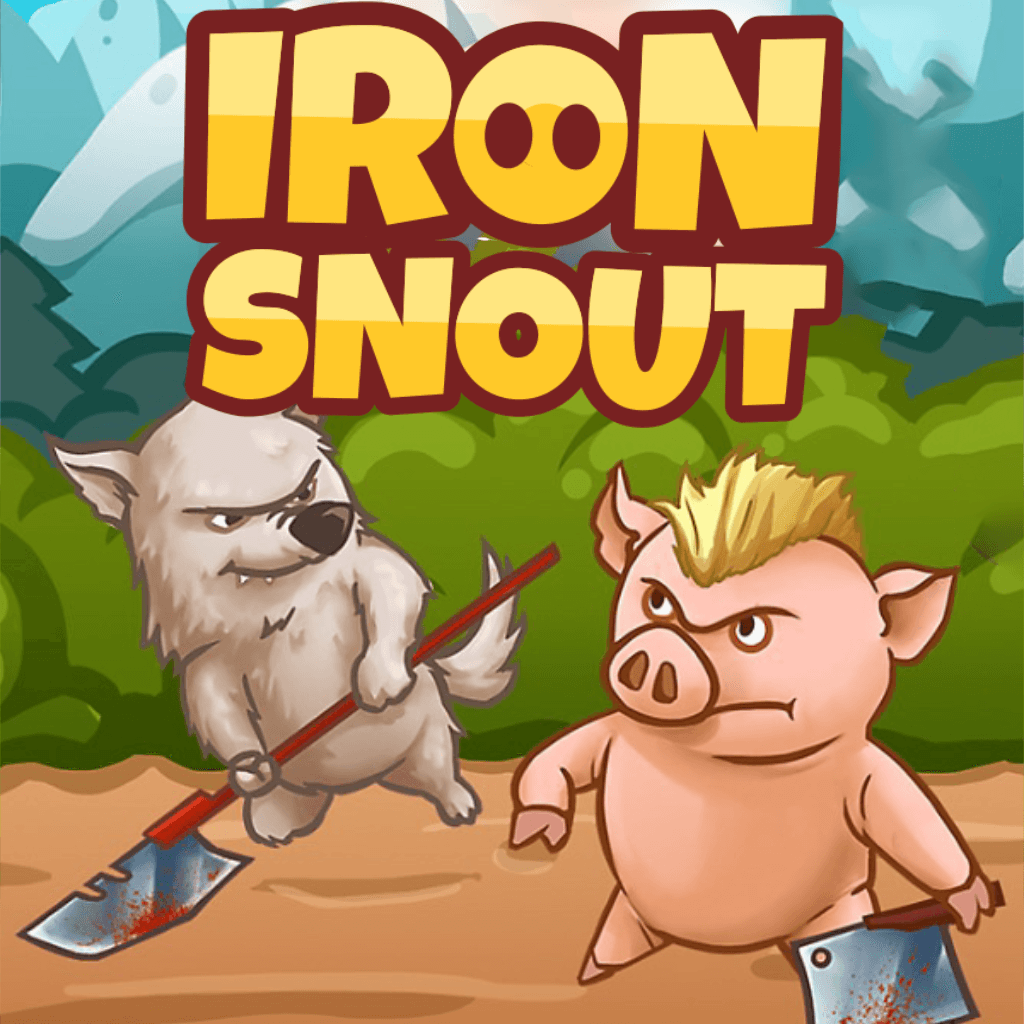
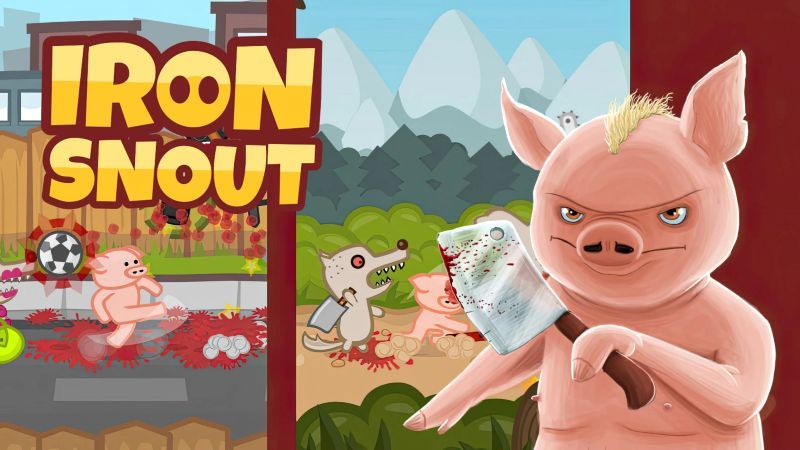
In Iron Snout, “lighting up” means a visual and gameplay intensity boost that appears when you maintain clean combos, perfect timing, and steady rhythm without mistakes.
To get lighting up in Iron Snout, build rhythm by starting slow, controlling both sides evenly, using jumps and ducks only when needed, and keeping combos alive by catching weapons.
If you make a mistake, reset your pace instead of forcing speed, and practice mainly in Classic Mode where patterns are clear.
Taking short breaks with Space Waves can also reset your reflexes and help lighting effects appear more consistently when you return.
Read the full guide below to learn How to get lighting up in Iron Snout and improve your rhythm, combos, and overall performance.
In Iron Snout, lighting up is not a separate power button or upgrade. It refers to the visual and gameplay intensity spike that appears when you are playing at peak efficiency. This usually happens when you chain clean hits, counter attacks correctly, and maintain rhythm without taking damage.
When lighting effects appear, players often notice:
In short, lighting up is the game rewarding clean execution, not random chance.
To trigger lighting effects more reliably, follow this structured approach.
Early in each run, focus on reading enemy patterns rather than rushing hits. Lighting up happens after rhythm builds, not during panic.
Avoid tunnel vision. Wolves spawn from both directions in predictable sequences. Clean side switching preserves momentum.
Random jumping breaks timing. Jump only to avoid projectiles or initiate aerial counters.
Catching thrown weapons keeps combos alive and amplifies visual intensity. Dropped weapons are opportunities, not clutter.
If you take a hit, mentally reset. Trying to “force” lighting up after damage usually fails.
After long Iron Snout sessions, reaction fatigue sets in. This is where a Space Waves break fits naturally.
Space Waves shifts focus from combat timing to rhythm and directional control. Its fast but predictable movement pattern helps recalibrate reflexes without mental overload.
Playing Space Waves for a few minutes clears frustration and sharpens reaction timing. When you return to Iron Snout, lighting effects appear more often because your inputs are calmer and more deliberate.
Classic mode: Best for learning rhythm and visual cues. Enemy patterns are readable and consistent.
Sudden death: Excellent for refining reactions, but not ideal for learning lighting mechanics due to constant pressure.
Wolfieball: Good for fun, not ideal for lighting practice because rhythm breaks frequently.
If your goal is lighting consistency, Classic Mode is the best training ground.
Lighting up becomes more frequent when you stop chasing it.
Lighting up is a visual indicator of peak performance, showing strong rhythm, clean combos, and optimal timing.
No. It is not an upgrade or item. It is triggered by consistent, mistake free gameplay.
Indirectly. Better rhythm leads to longer combos, which results in higher scores and survival time.
Yes. Playing slower and focusing on timing helps beginners reach lighting states faster than aggressive play.
Yes. It is a core feedback system across browser, mobile, and PC versions.
Understanding how to get lighting up in Iron Snout comes down to rhythm, patience, and clean execution. When you stop forcing speed and start controlling tempo, the game responds with smoother flow and visual intensity.
If you feel your reactions slipping, take a short break with Space Waves to reset timing and focus. Then jump back into Iron Snout sharper, calmer, and ready to stay lit longer.